
Oshkosh Criminal Records
Oshkosh criminal records often begin with the city police or the municipal court, then move into Winnebago County if the matter becomes a county case. That means a good search starts with the office that created the record. Police records help with arrests and incidents. Municipal court records help with city traffic and ordinance matters. County court and state systems help when you need the full criminal case trail. Oshkosh works best when you keep the city, county, and state roles separate from the start.
Oshkosh Criminal Records at Police
The Oshkosh Police Department maintains arrest records and handles public records requests for city incident reports. The department is located at 420 Jackson Street in Oshkosh, WI 54901, and the research lists non-emergency and records contact through (920) 236-5700. Records Division hours are Monday through Friday, 8:00 AM to 4:30 PM. That makes police the right first stop when the record begins with a city event.
Police records are useful because they show the incident side of the story. They can confirm the date, the people involved, and the agency contact. Some incident reports may be redacted, especially if privacy or investigation issues are still in play, but the department is still the official source for the police record itself. If you need the first paper trail, this is the city office that usually has it.
For broader Wisconsin searches, use WORCS and the DOJ criminal history page at the Crime Information Bureau criminal history page. Those tools help when the city report is only part of the record trail.
The police department also offers open records requests by online, mail, or in person. That gives Oshkosh users a clear path when they need an incident report or arrest record from the city side. A specific request is the fastest way to get the right file.
Oshkosh Criminal Records Court
The Oshkosh Municipal Court handles traffic violations, municipal ordinance violations, parking citations, and other non-criminal matters. The court is also at 420 Jackson Street in Oshkosh, WI 54901, with phone number (920) 236-5075. That court is the right city office when the issue is a citation or ordinance matter rather than a county criminal charge.
City court and county criminal court are not the same. A city citation can stay in municipal court. A criminal case can move into Winnebago County if the charge is more serious. That is why it helps to start with the correct level of court. If you know the matter is a ticket, the city court may be enough. If you know it became a criminal case, the county clerk is the next stop.
City court records are easier to use when you already know the citation number or hearing date. If you do not, the court can still help you sort out the record. That said, the clearer your request, the faster the answer usually comes back.
When the matter moves beyond the city level, WCCA is the best bridge to the county docket. If the case was appealed, WSCCA becomes the next step. Together, those tools help you keep the city file and the county file in the same search path.
Oshkosh Criminal Records County
Winnebago County is the county backstop for Oshkosh criminal records. The county clerk and sheriff hold the larger case file and custody side when the city record is not enough. That means an Oshkosh search can move from a city report to a county court file without much confusion once you know the docket number. The county court is where the formal criminal case lives.
The county office matters most when you need the complaint, the judgment, or the docket trail that follows the city event. The sheriff becomes more important when you need custody status or jail context. If you need both, start with WCCA so you know which county office to contact and what the case is called in the public record.
County and city records work together. A police report may explain the start. A municipal court record may explain the citation. A county file may explain the final court result. That is the natural order in Oshkosh, and it usually saves time if you follow it.
Winnebago County legal resources are also useful when the issue involves expungement, pardon questions, or other record-help topics. They do not replace the court file, but they can point you toward the correct next step.
The Oshkosh Police Department page is the approved source for the first city image below.
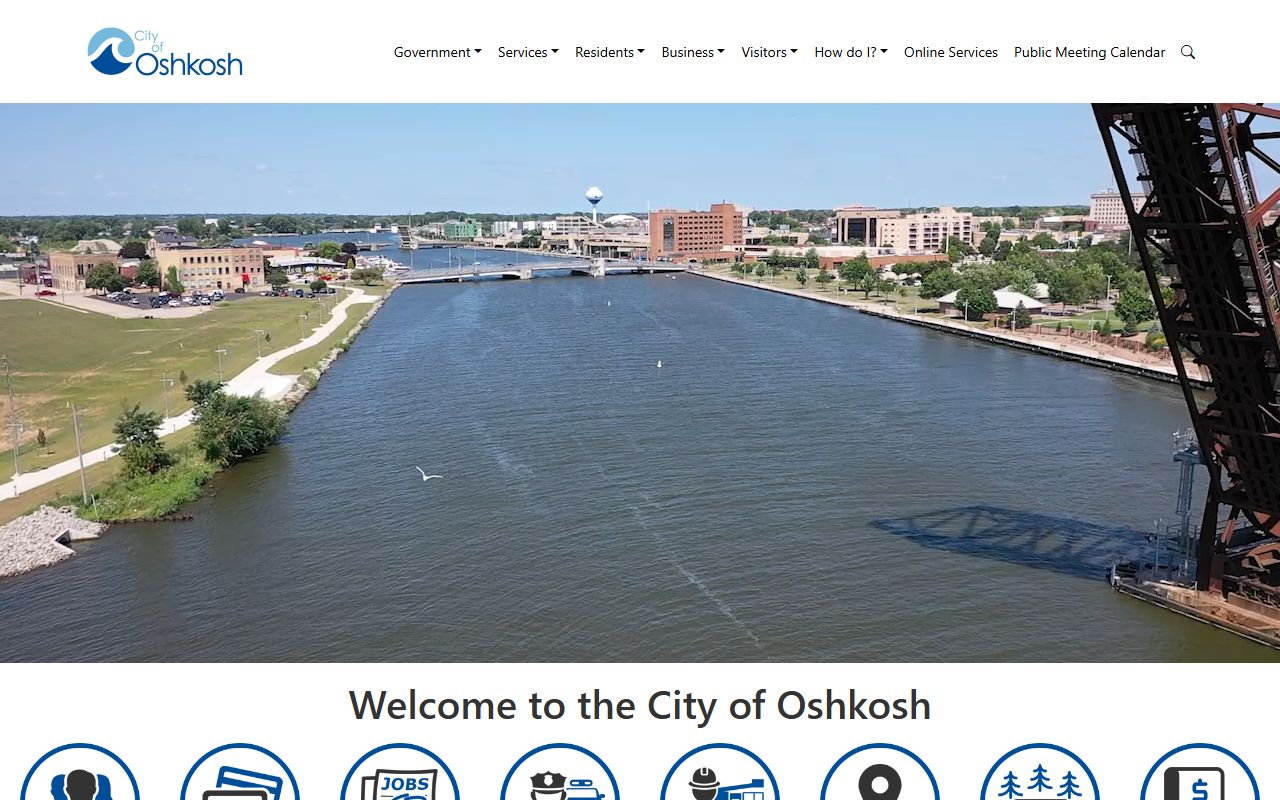
This image fits the city arrest and incident records starting point.
The Oshkosh Municipal Court page is the approved source for the second city image below.
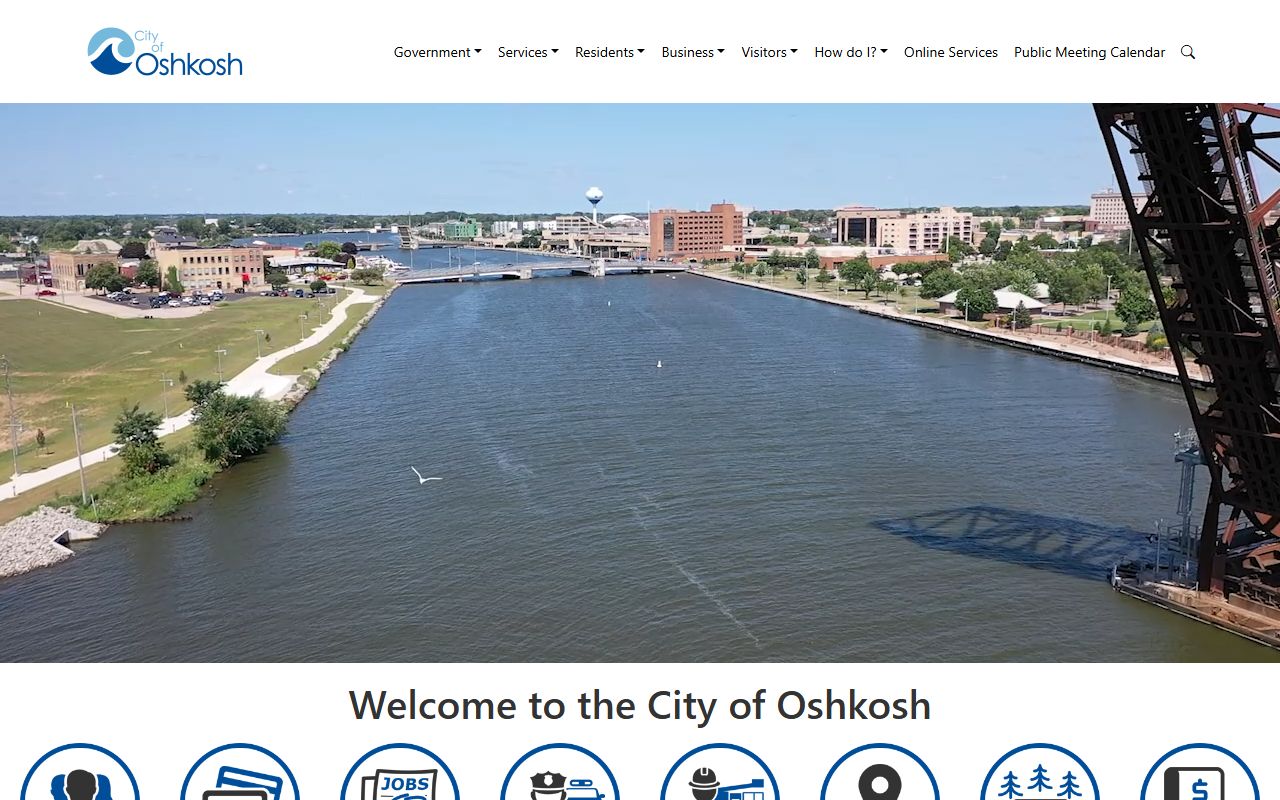
This image fits the city court that handles traffic and ordinance matters.
Oshkosh Criminal Records Lookup
The state tools fill in the rest when the city file is not enough. WCCA gives you the county docket. WSCCA covers the appellate file. The DOJ repository at the criminal history page explains the statewide record system behind the search. Those tools are useful when you want a broader picture than one city office can provide.
The DOC offender locator at appsdoc.wi.gov/public/offenders can help when the person is in custody or supervision. Wisconsin public records law at Wis. Stat. 19.35 and the DOJ fee rule at Wis. Stat. 165.82 explain the access and fee side of the request.
Oshkosh criminal records searches are strongest when you move in order: police, municipal court, county court, then state tools if needed. That keeps the trail clear and helps you get the right record the first time.
That sequence usually avoids wasted calls. It also helps you tell whether you need a copy, a status check, or a full court file. If the city file only gives you part of the answer, the county office usually gives you the next piece.
The county backstop matters because city records and county records are not interchangeable. One shows the local event. The other shows the criminal case. Putting them in the right order keeps the search efficient.
For most Oshkosh users, the path is simple. Start with the record source, then use WCCA to verify the docket, and only then move to copies or appeals. That is the cleanest way to work through the records.